

JANUARY
After a huge volunteer effort in 2019 to publish five editions of The Gleaner, as well as a successful subscription drive, our community-run newspaper moved to a biweekly publishing schedule for 2020, supported by the website the-gleaner.com and a network of 40 local businesses where it was once again possible to purchase The Gleaner.

As wildfires scorched Australia, the world watched and reacted to coverage of the destruction as well as images of some of the country’s most iconic animals who were left burned and injured. Students at Ormstown Elementary School launched a fundraiser and created cards for wildlife rescue workers and made “joey pouches” for orphaned and injured kangaroos and other wildlife.
Rapid Bay Asuka, a four-year-old red Wagyu beef cow of Ormstown’s Rapid Bay Farms, was named “Wagyu Miss World.”
T
he “Bygone Places” series featuring stories that reminisce about treasured restaurants, businesses, or community activities from years past was introduced in the pages of The Gleaner by acclaimed journalist Holly Dressel, with a first story on Beaudin Hardware in Franklin.
CVR’s Performing Arts Department scored another hit with its production of Mary Poppins: The Musical.
FEBRUARY
Local blues band The Durham County Poets were honoured with their first Juno nomination, in the Blues Album of the Year category, for their record Hand Me Down Blues.
Closure was invoked by the CAQ government to ram Bill 40 through the National Assembly. The bill eradicated school boards and replaced them with service centres. The move spurred a constitutional challenge by the English school boards which has yet to be resolved.
Franklin Elementary School bus driver Kenneth Marlin was charged with several sexual offences. The Gleaner published a public service piece in response, to help parents know what to do to protect their children from predation.
The MRC du Haut-Saint-Laurent adopted a positive budget after two years of restrictions aimed at restoring the financial health of the organization.
MARCH
The first echoes of the COVID-19 pandemic became much louder as families returned from vacations during spring break. By March 13, all schools were closed and public events cancelled, as the province entered a general lockdown that saw most sectors of the economy shuttered.
We were collectively introduced to a new COVID vocabulary, including words like self-isolation, social distancing, essential workers, community transmission, and Zoom. Essential businesses rushed to find ways of enforcing new measures as we became accustomed to the 2 metres distance and wash your hands mantra.
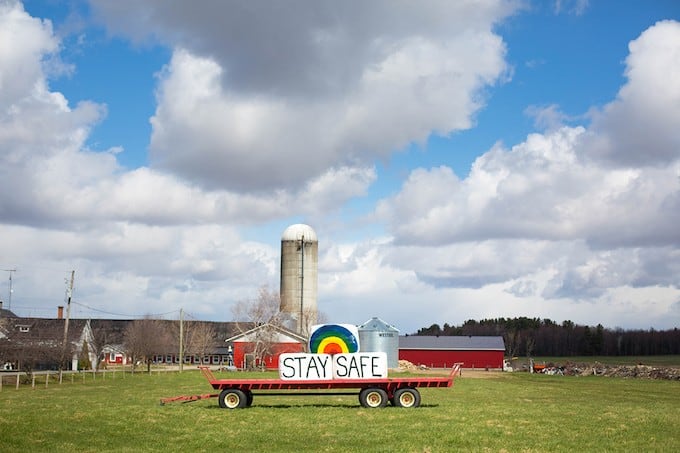
Rainbows began appearing in windows and across the countryside as the “Ça va bien aller” campaign took hold, and the Valley tightened its sense of community to reach out to those in need as the first weeks of the pandemic measures wore on.
APRIL
The Gleaner introduced the Kids’ Corner, aimed at giving our youngest readers and their families some fun activities and suggestions for things to do to pass the time together. We also introduced the series “Voices from the Valley: Coping with the pandemic,” which featured stories from multiple angles of community members facing and overcoming the stresses imposed by the public health measures.
A temporary designated assessment clinic opened in Ormstown for residents experiencing COVID-19 symptoms; however, the clinic was soon closed as the Valley continued to fare well at the height of the first wave of the pandemic. At the same time, across Quebec and Canada horrific revelations about conditions in some seniors’ residences began to surface as the virus continued to hit the elderly population the hardest. Local businesses donated any extra personal protective equipment (PPE), such as gloves and masks, to local healthcare institutions as shortages remained a concern.
Teachers at CVR launched the Teach, Love, Help fundraiser, which collected more than $5,000 to lift the spirits of frontline workers with much needed relief in the form of treats, snacks, and comfort foods.
The Tokyo Summer Olympic Games were cancelled, as were all agricultural fairs including the Desjardins EXPO Ormstown, the Huntingdon Fair and Havelock Fair.
The impacts of the global shutdown on the environment were very visible as images of cleaner skies, clearer waters, and wildlife reclaiming territory in some of our largest cities began to circulate.
MAY
The Valley began to slowly reopen with the start of residential construction, along with activities in a number of other sectors. Elementary schools reopened on May 11, although a majority of parents opted to keep their children home. The first virtual meeting of the House of Commons took place, with governments of all levels following suit.
With the introduction of new controls, the municipality of Franklin attempted to stop a growing trend of construction waste being dumped on agricultural land.
The Droulers-Tsiionhiakwatha site in Saint-Anicet opened for its 20th season, despite the pandemic.
JUNE
Campgrounds became a hot topic as concerns over an influx of campers from outside the region bringing the virus to the area were raised. Two petitions calling on the government to keep campgrounds closed gathered over 2,500 signatures in 48 hours. Despite this, the government allowed campgrounds to open with strict measures in place.
The New Frontiers School Board began offering a three-month orderly program, which was created by the provincial government to integrate 10,000 new orderlies into the healthcare system as quickly as possible to meet devastating shortages brought to light by the pandemic.
Local doctors issued a joint statement recommending the wearing of masks in public.
Restaurants welcomed clients back to dining rooms and many businesses and offices reopened as the first wave receded and residents cautiously emerged from their homes.
Desjardins Expo Ormstown lit up the Valley with its Pathway of Lights event, as more than 880 vehicles weaved their way through the illuminated fairgrounds. The event took on additional significance as the first social event for many after months of isolation.
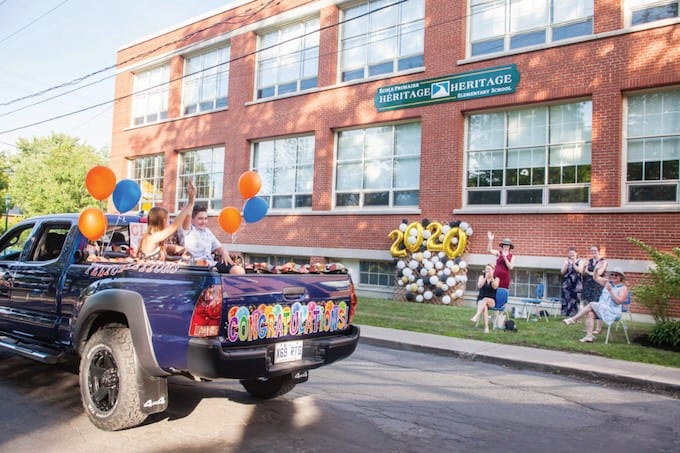
Graduation ceremonies at local elementary and high schools were held outdoors, with schools finding innovative ways of adapting to the public health measures in place to celebrate their graduates and the end to a truly unique school year.