

In a notice to dairy farmers issued on August 27 by the Ministère de l’Agriculture, des Pêcheries et de l’Alimentation du Québec (MAPAQ), provincial authorities warned that dairy cows remain at risk of contracting the highly pathogenic avian influenza (HPAI) virus.
The concern stems from a multistate outbreak of the HPAI virus in American dairy cattle, which was first signaled by the Centers for Disease Control and Prevention on March 25. This marked the first time that bird flu viruses were detected in cows. As of September 12, at total of 14 states have reported cases of the disease, affecting at least 202 herds. Nine new cases have been diagnosed in Michigan and California in the past 30 days.
The CDC also confirms that 15 humans have contracted the disease, including four individuals who tested positive following exposure to dairy cattle.
Animal and public health authorities at both the federal and provincial levels are monitoring the situation very closely. To date, there have been no cases confirmed in Canada.
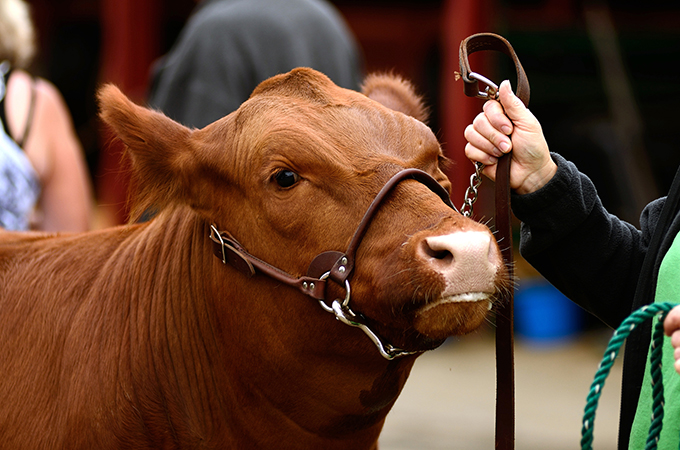
The MAPAQ notes that dairy producers play an essential role in ensuring the virus is not introduced into Quebec farms, and authorities are sounding the alarm over major North American shows and exhibitions scheduled to take place this fall. The notice warns, “The risk of contracting the infection at this type of event is higher, as infected but seemingly healthy animals may be present.”
Infected animals may show no clinical signs, and there is a delay before the infection can be detected. The MAPAQ also suggests that while one of the main modes of transmission is via milk, all the details surrounding the virus’s transmission remain unclear.
The MAPAQ is therefore advising dairy producers to avoid participating in shows outside of Quebec. The governing body is also recommending that those who decide to participate in any such events should have a rigorous risk-management strategy in place before leaving.